
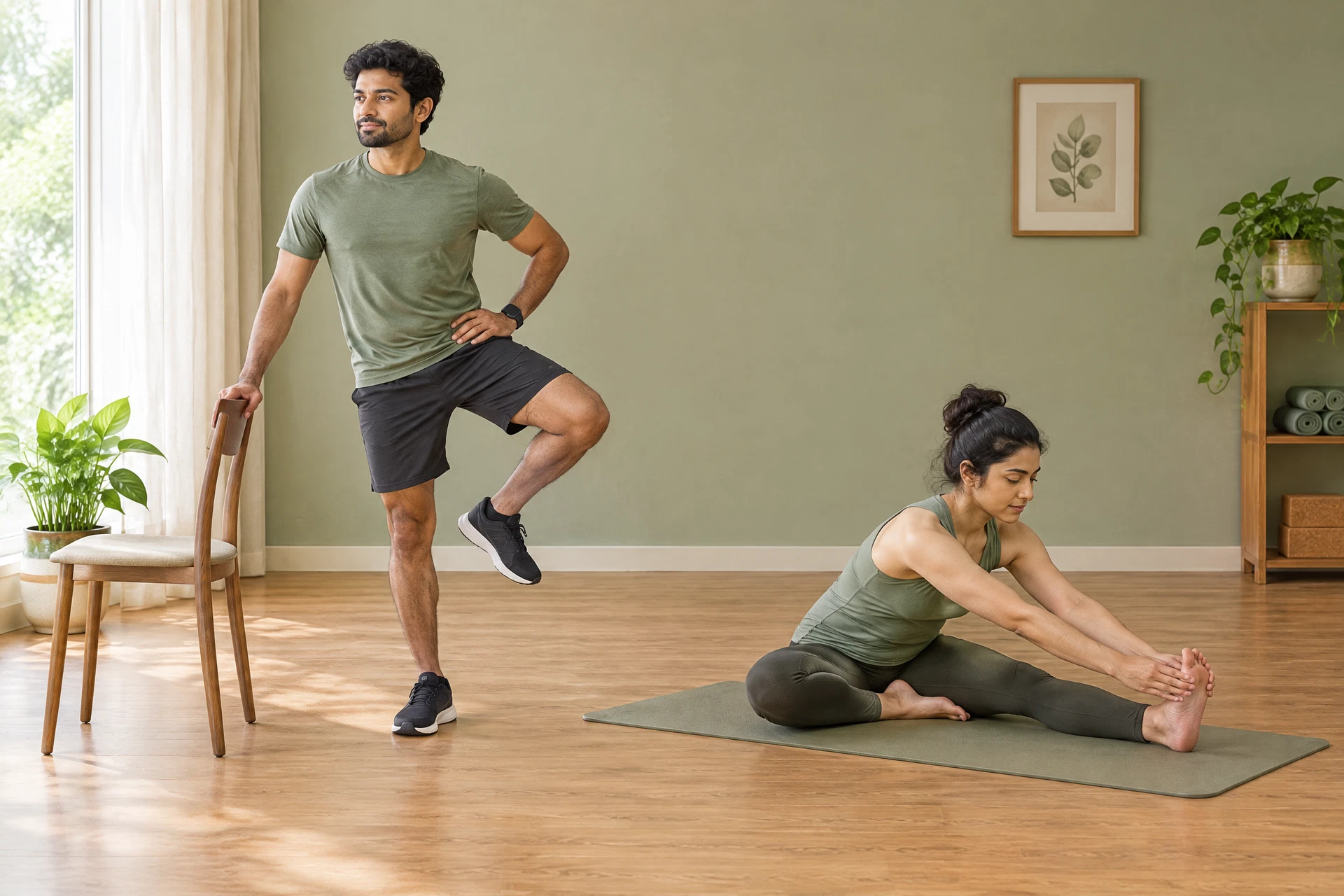
Mobility
Mobility vs Flexibility: The Practical Difference
Understand mobility, flexibility, and range of motion; choose stretching, strength, or controlled movement for the task you need.
14 Sept 202610 min
Fitform archive
Evidence-aware fitness reporting, practical training guidance, and clear consumer context—published from the Fitform content database.
Understand mobility, flexibility, and range of motion; choose stretching, strength, or controlled movement for the task you need.
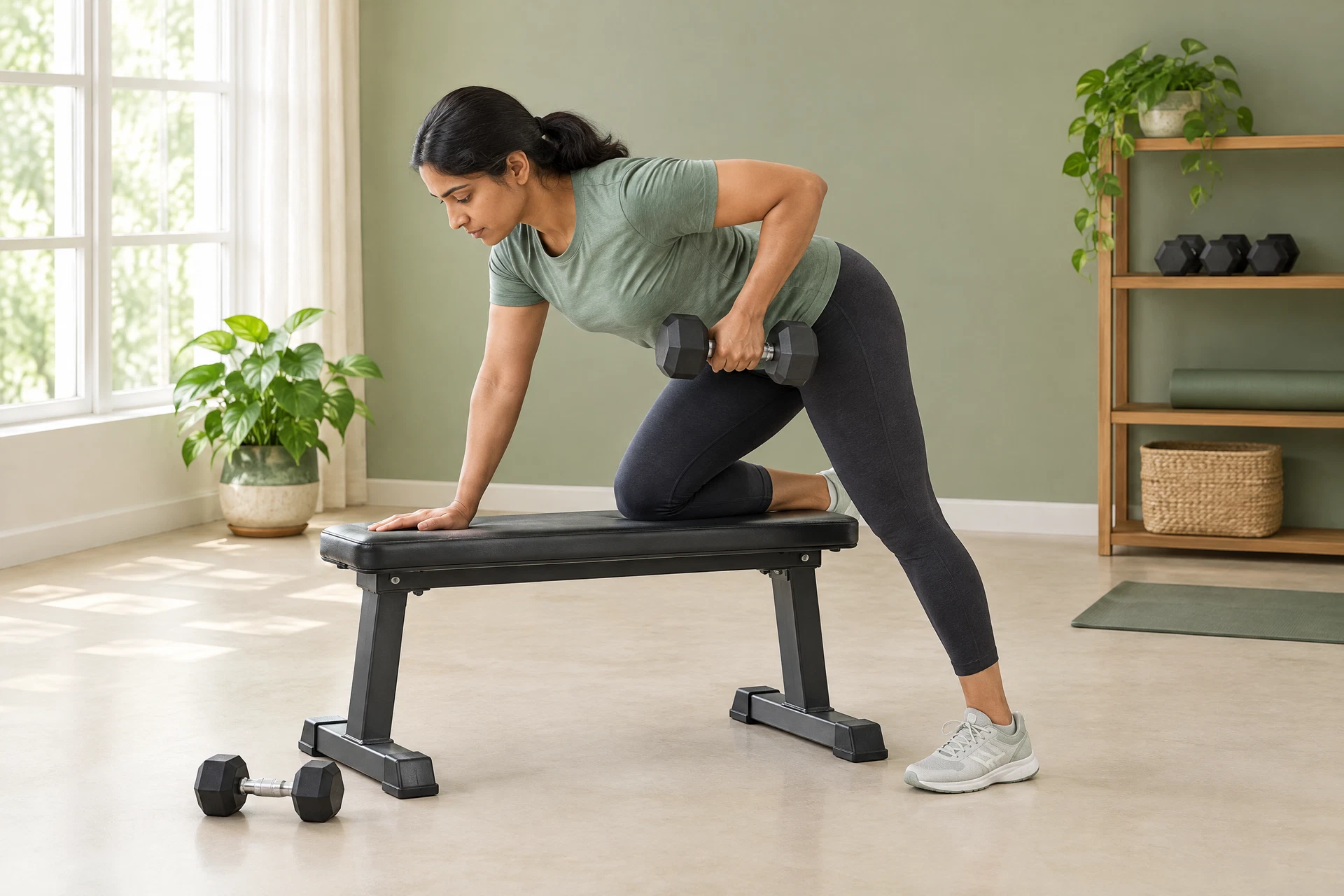
Learn how strength training supports function and lean mass during weight management without promising rapid scale loss or spot reduction.

Use cardio within a sustainable weight-management plan while keeping expectations realistic about calories, fat loss, appetite, and adherence.
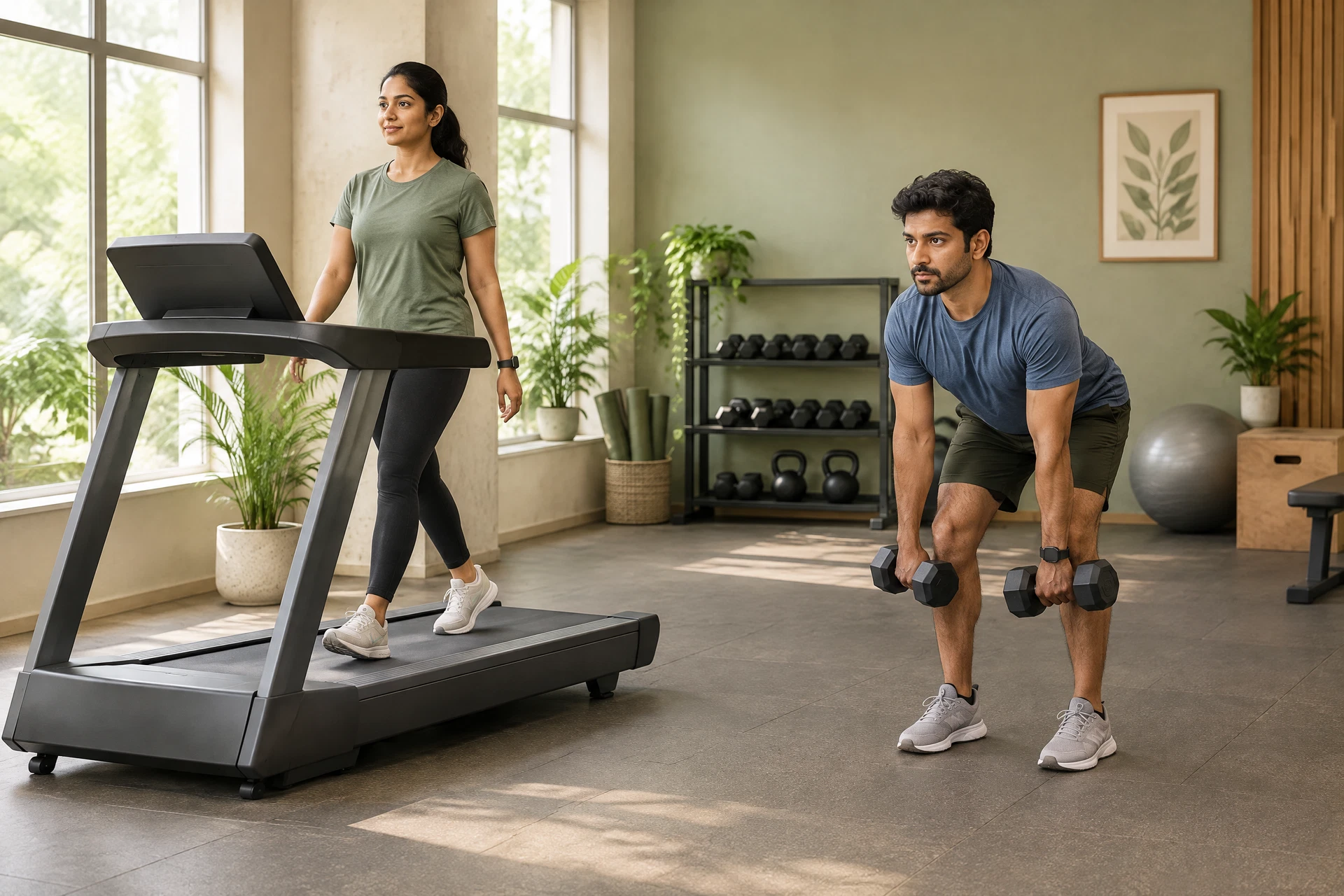
Compare cardio and strength training by adaptation, health role, time, recovery, and goals—then combine them without declaring one winner.

Understand compound exercises, choose adaptable movement patterns, and build a simple strength session without assuming complex means better.
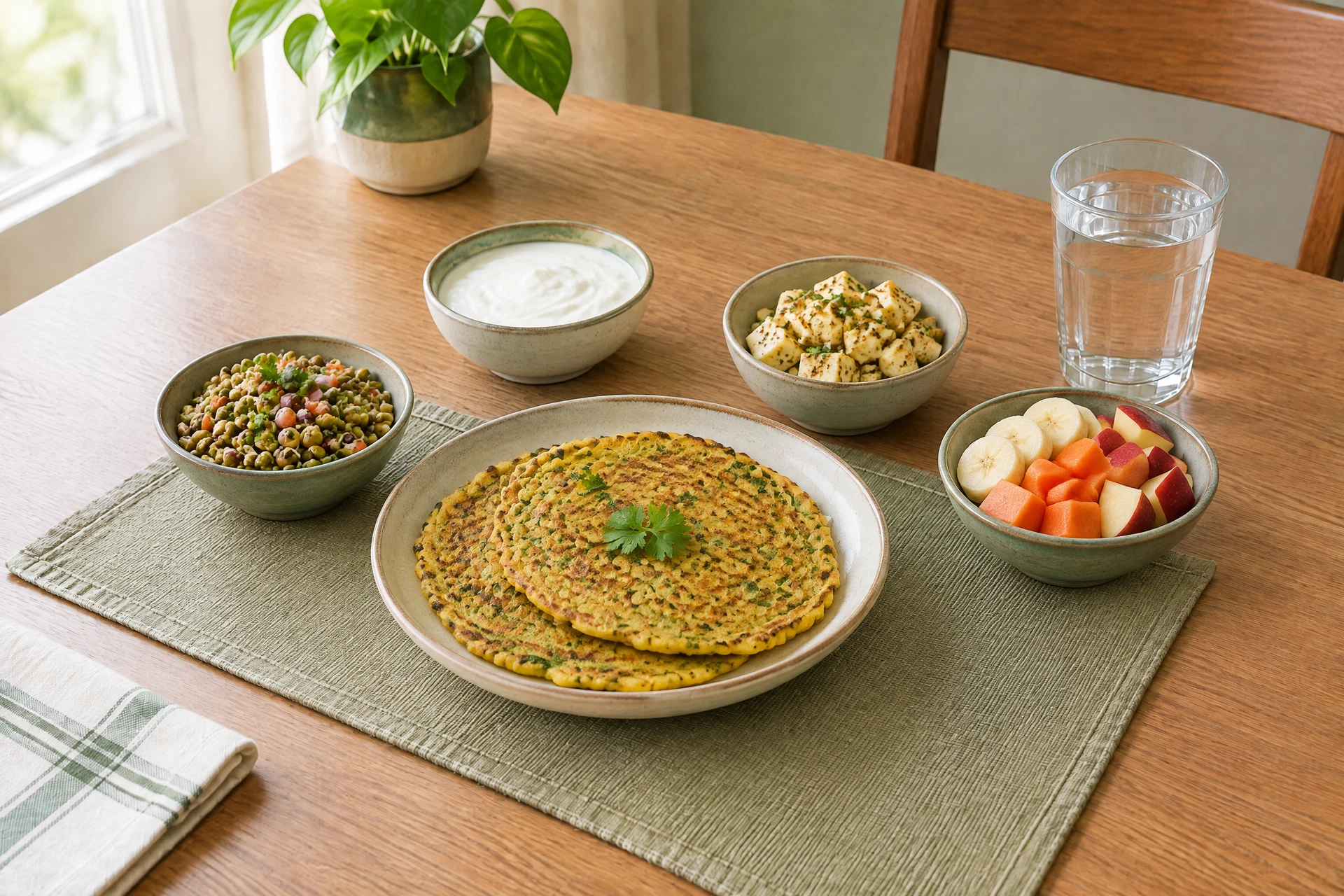
Build high-protein Indian breakfasts with pulses, dairy, eggs, soy, nuts, seeds, and balanced sides—without relying on powders.
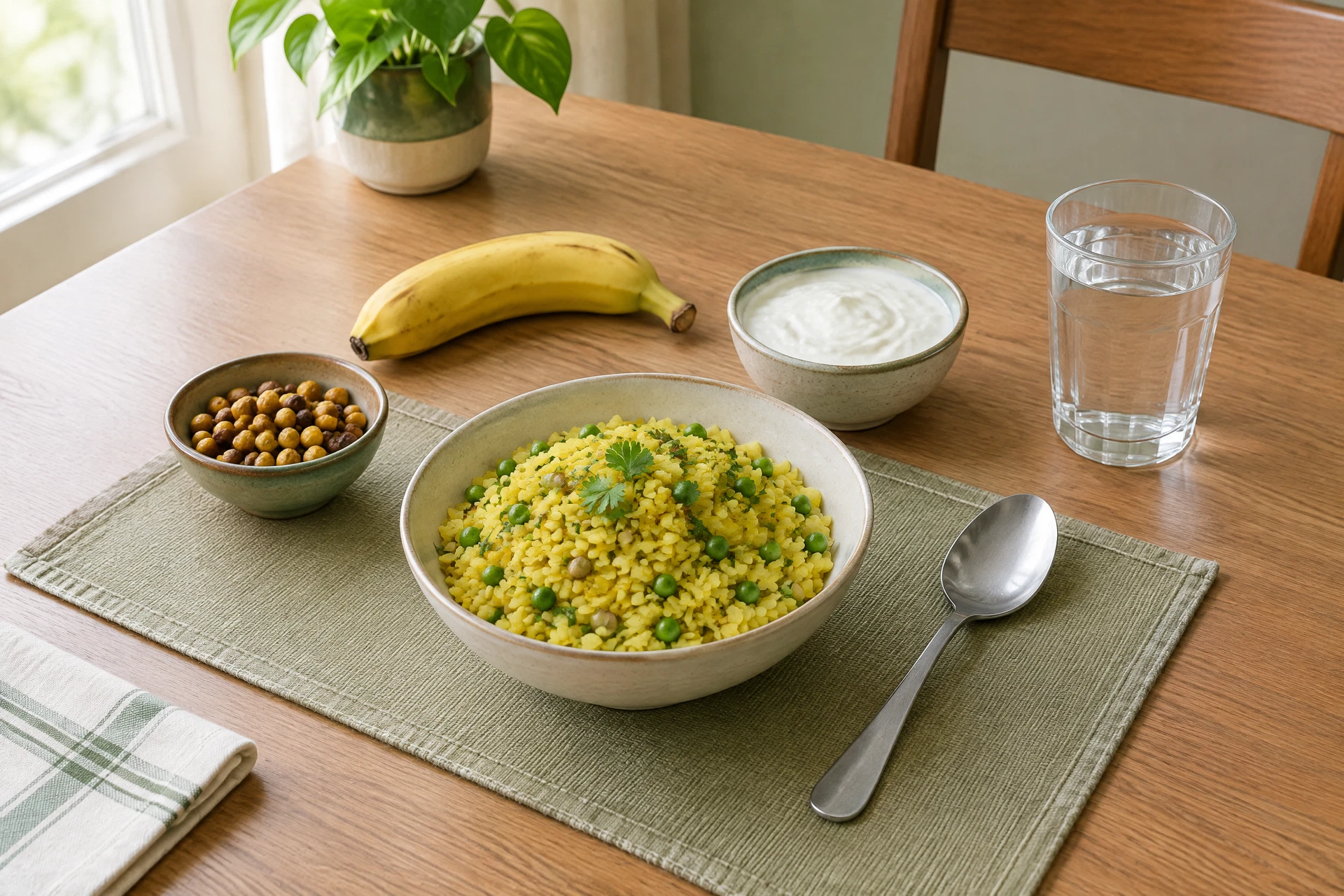
Choose an Indian pre-workout meal by timing, session demands, appetite, and tolerance—with simple food ideas and clear limits.

California’s later-start policy offers evidence about sleep opportunity, school schedules, and student outcomes—but it does not promise the same result for every teenager.
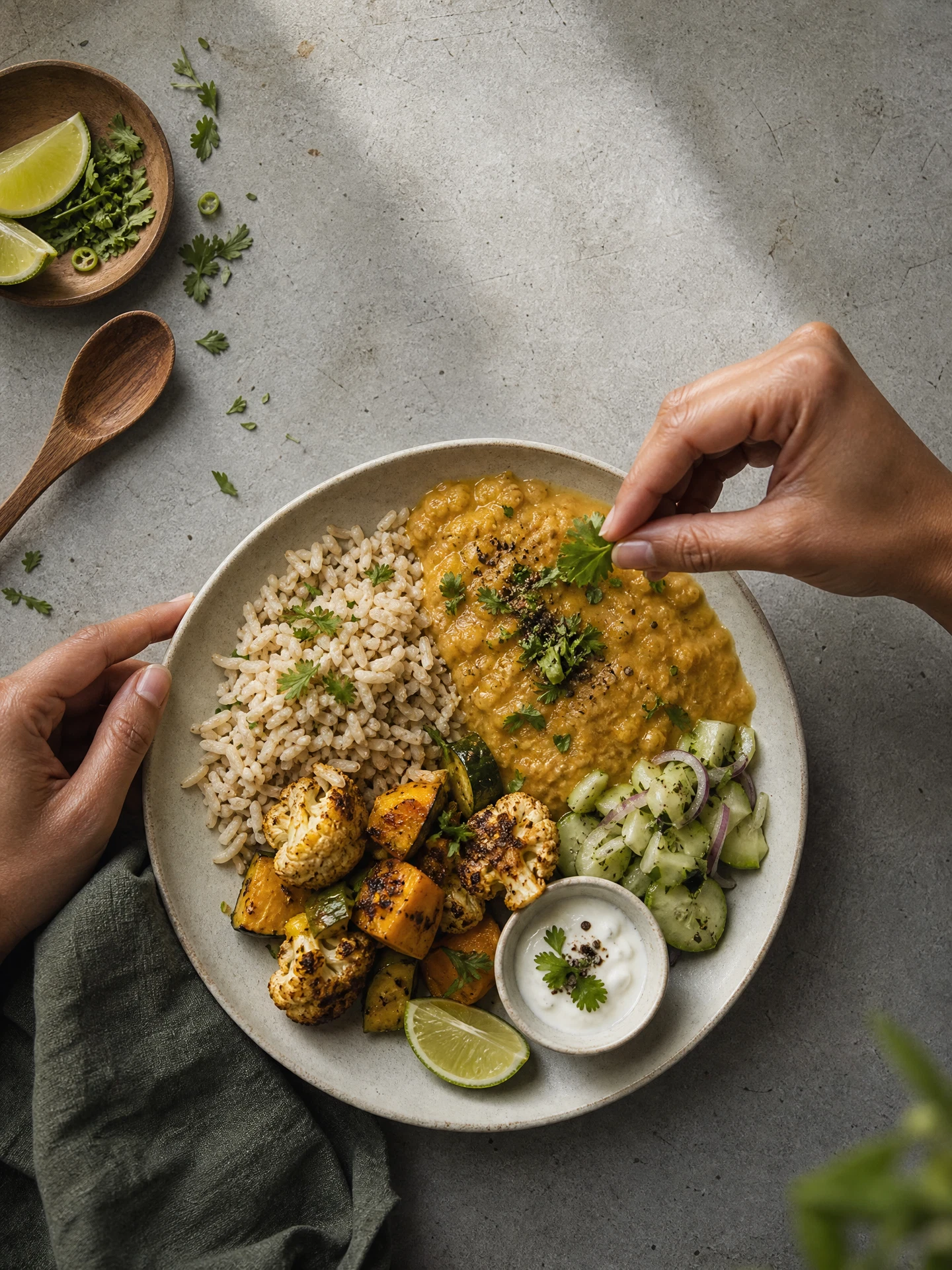
A flexible Indian-context guide to variety, fibre-rich foods, balanced meals, convenience, and sustainable food choices.

How progressive resistance training, enough food and protein, recovery, and patient measurement work together.
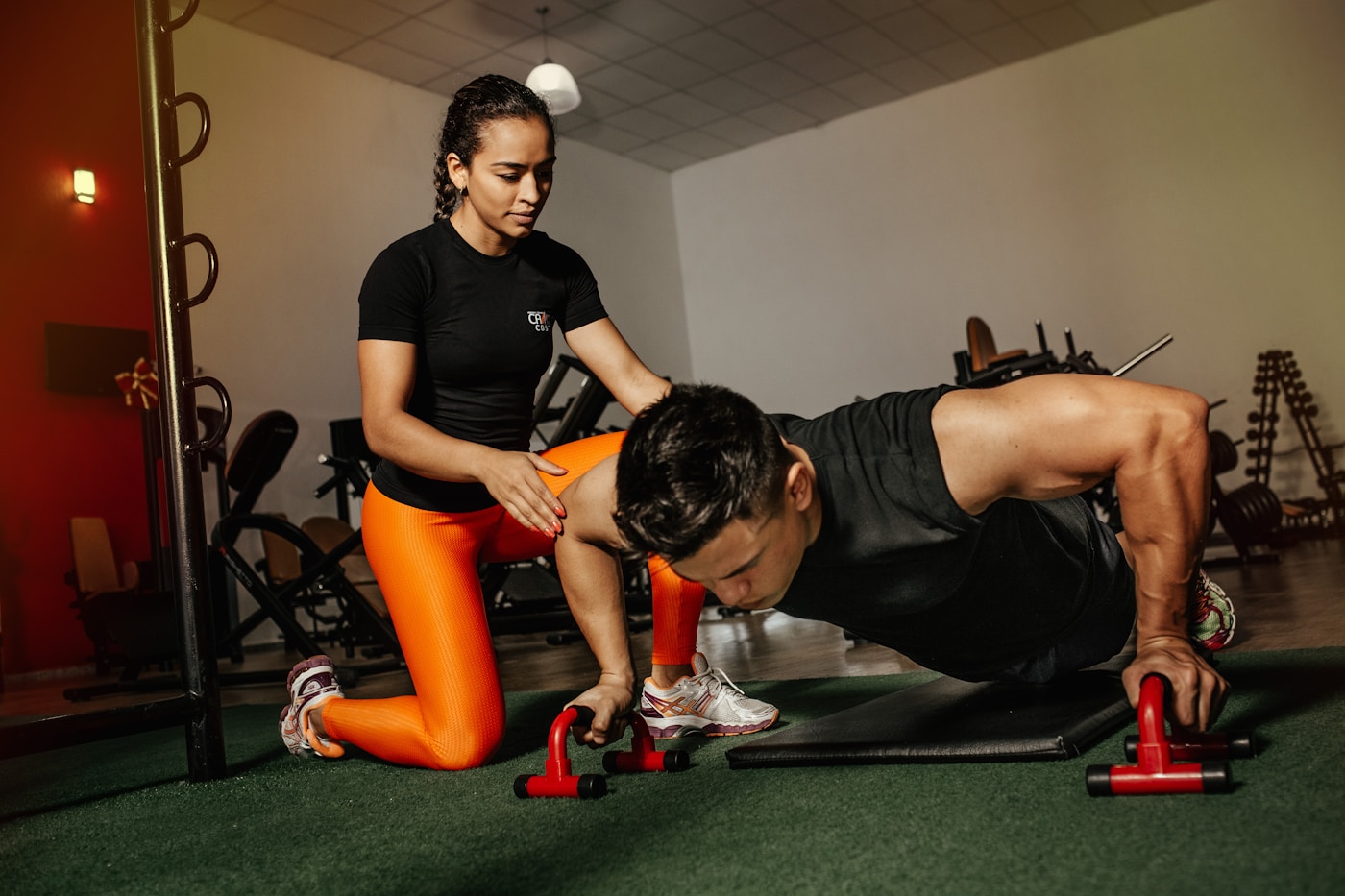
A stigma-free framework for sustainable change, realistic expectations, sleep, activity, food patterns, and professional support.

A calm starting framework for aerobic activity, strength, recovery, progression, and a routine that fits real life.

A nine-week walk–run structure that prioritizes easy effort, rest between sessions, and repeating weeks when needed.

What deloads are, why athletes use them, and why the evidence is more practice-based than many confident claims suggest.

Why total intake, appropriate distribution, and food quality usually matter more than racing to consume protein immediately after training.

A coaching framework for organising a full-body plan around squatting, hinging, pushing, pulling, carrying, and locomotion.

How recovery, sleep, training load, and honest symptom checks help make exercise more repeatable.
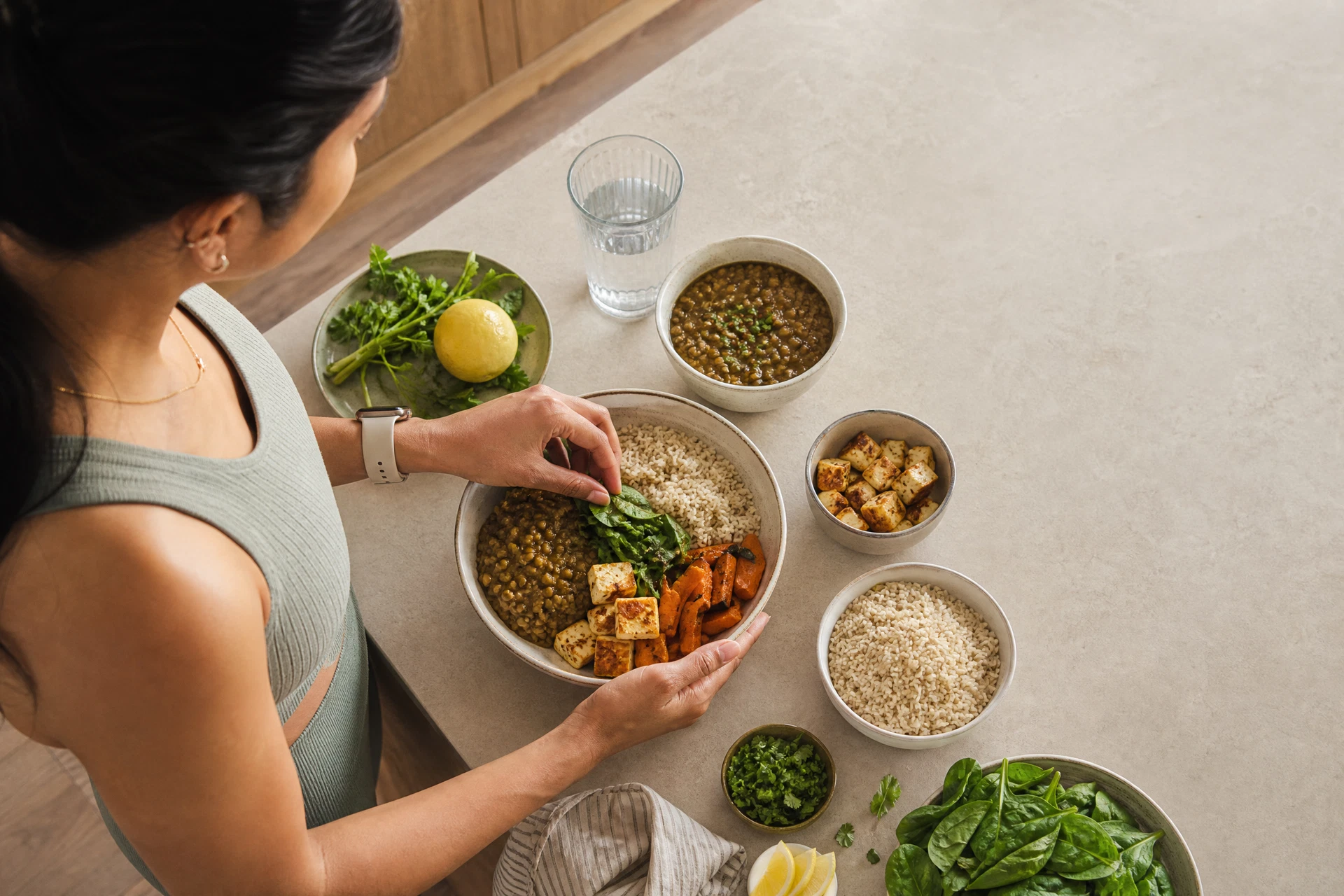
A flexible visual method for combining vegetables, grains, protein foods, and satisfying flavours without counting every bite.

A practical foundation for learning technique, choosing manageable resistance, and progressing without rushing the load.

How to evaluate proprietary biological-age scores, model validation, uncertainty, data inputs, privacy, and the line between a wellness feature and a medical claim.

A practical evidence guide to soreness, restored performance, muscle repair, adaptation, cold water, stretching, sleep, food, and recovery devices.

David Protein’s parent company has attracted major funding. That validates investor demand—not the health value of every high-protein packaged food.

One platform’s 2026 data points toward shorter commitments and more mobility work. Independent evidence supports the value of small activity bouts—but the headline needs context.